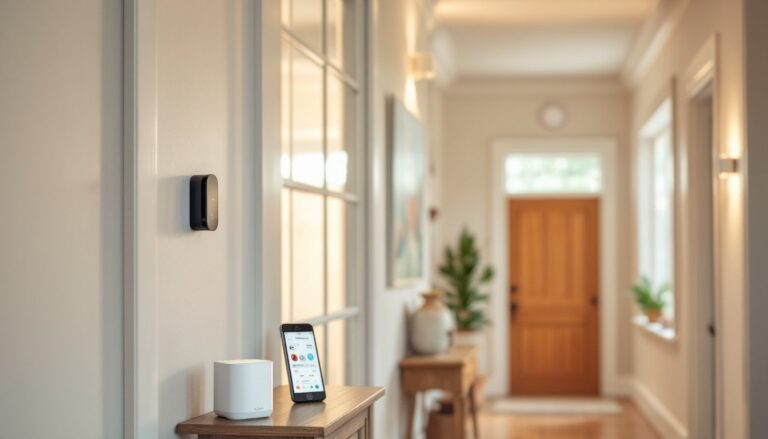
Your home is your sanctuary, and keeping it secure shouldn’t feel like a puzzle from the 1990s. GSM alarm systems have quietly revolutionized how homeowners protect their properties, combining wireless connectivity with affordable monitoring to deliver peace of mind without the mess of hardwired infrastructure. Whether you’re upgrading from an outdated system or installing security for the first time, understanding how GSM alarms work and what they offer can help you make a confident decision that fits both your home and your budget.
Table of Contents
ToggleKey Takeaways
- A GSM alarm system uses cellular networks (like your phone) to communicate with monitoring centers, eliminating the need for landlines or broadband and remaining fully operational during internet outages.
- GSM systems are DIY-friendly and affordable ($300–$1,000 hardware plus monitoring), requiring just 1–2 hours of installation without drilling through walls or hiring electricians.
- Modern GSM alarm systems respond to breaches in under 10 seconds and offer remote monitoring via smartphone apps, letting you arm/disarm and check status from anywhere.
- GSM alarms work independently of WiFi and include backup batteries for power outages, making them reliable during emergencies when security matters most.
- Before choosing a GSM alarm system, verify cellular coverage in your area, plan for adequate sensor placement based on home size (6–8 sensors for 2,000 sq ft), and decide between professional 24/7 monitoring ($15–40/month) or self-monitoring ($5–10/month).
What Is a GSM Alarm System and How Does It Work
GSM stands for Global System for Mobile Communications, essentially the technology your cell phone uses to send calls and texts. A GSM alarm system leverages this same cellular network to communicate with a monitoring center or directly to your smartphone, eliminating the need for a landline or broadband connection as a backup.
Here’s the basic flow: sensors (door contacts, motion detectors, glass break sensors) are placed around your home and wirelessly connected to a central hub or control panel. When triggered, the panel detects the breach and uses the GSM module to send an alert over the cellular network. You receive a notification on your phone within seconds, and if you’ve signed up for professional monitoring, the company can dispatch emergency responders. Unlike traditional wired systems that require drilling through walls and running cables, a GSM setup keeps installation clean and non-invasive.
The elegance of GSM alarms lies in their independence from your home’s internet. If your WiFi drops or your router gets unplugged, the system keeps working. Most units maintain a backup battery so they function during power outages, crucial during the situations when security matters most.
Key Features That Make GSM Alarms Stand Out
Wireless Connectivity and Remote Monitoring
Wireless design means sensors communicate with the hub via radio frequency (usually 2.4 GHz), and the hub talks to the monitoring center or your phone through cellular signals. Range depends on the model, most quality units reach 100+ feet indoors without obstacles. This flexibility lets you place sensors where threats actually occur: on back doors, basement windows, and garage entry points.
Remote monitoring transforms your alarm from a noise-maker into an active security partner. Through a smartphone app, you can check status, arm or disarm the system, and review activity logs from anywhere. Some systems let you set custom alerts (notification if your teenager opens the front door at 2 AM, for example) and create automation schedules (arm automatically when everyone leaves, disarm when the first person arrives). According to testing at Digital Trends, modern GSM systems respond to breaches in under 10 seconds, a meaningful advantage over older hardwired setups.
Battery life on sensors typically runs 12–24 months before requiring a AA or AAA replacement, and the system alerts you when batteries run low. The control panel itself should be paired with an uninterruptible power supply (UPS) rated for at least 24 hours of standby power, ensuring the hub and its GSM modem remain operational during an outage.
Monitoring plans vary widely. Professional 24/7 monitoring typically costs $15–40/month and dispatches police or fire if needed. Many systems also offer self-monitoring: you get alerts and decide whether to contact authorities yourself, which cuts monthly costs to $5–10 or eliminates them entirely.
Installation and Setup for DIY Homeowners
GSM alarms are built for DIY installation, no licensed electrician required. Start by mapping your entry points: main doors, ground-floor windows, garage, sliding glass doors. Each entry needs a door/window sensor (a thin 1″ × 3″ magnetic contact pair that costs $15–30 per unit).
Here’s the process:
- Unbox and charge the control panel for 24 hours before first use.
- Install door/window sensors using the included adhesive strips or small screws (adhesive is easier and doesn’t require drilling). Keep the magnetic contact and switch within ½ inch of each other.
- Add motion detectors in high-traffic areas like hallways or living rooms. Mount these 6–8 feet high to avoid false triggers from pets under 20 pounds.
- Pair sensors with the hub using your app or the panel’s pairing mode (usually a 30-second window per sensor).
- Position the control panel centrally in your home and plug it in. Keep it away from microwaves and WiFi routers to minimize interference.
- Insert the SIM card provided by your monitoring service into the GSM modem (usually a compartment on the back of the panel).
- Test the system by opening doors and walking in front of motion sensors to confirm alerts reach your phone.
The whole job takes 1–2 hours, and you’ll need a Phillips screwdriver, painter’s tape (to test placement before committing), and a stud finder if you prefer screw mounting over adhesive. No special tools or permits are needed for cosmetic alarm installation. But, if your local jurisdiction requires professional installation for insurance purposes, verify this before starting. Some homeowner policies mandate licensed installer sign-off.
Comparing GSM Alarms to Traditional Systems
Hardwired systems connect sensors via physical wiring buried in walls or run along baseboards. Setup requires drilling, fishing wires through framing, and often hiring an electrician. They’re reliable and don’t depend on cellular coverage, but they’re expensive ($2,000–5,000 installed), inflexible if you move or reconfigure rooms, and messy to remove or modify.
WiFi-only systems use your home broadband instead of cellular. They’re cheaper than hardwired but depend entirely on your internet stability. Lose your router or suffer an outage, and you lose monitoring capability (unless they include cellular backup, which adds cost).
GSM systems split the difference: they’re affordable ($300–1,000 for hardware, plus monitoring fees), quick to install, and provide cellular backup without broadband dependency. The main trade-off is that GSM relies on cell coverage in your area. If you live in a cellular dead zone or a basement with poor signal, GSM alone won’t work, you’d need a system combining GSM with WiFi or one supporting a longer-range antenna.
According to Tom’s Guide, GSM systems are gaining popularity with renters and homeowners who value flexibility over the lowest possible upfront cost, since professional installation isn’t mandatory.
Choosing the Right GSM Alarm System for Your Home
Evaluate your needs before buying. Home size matters: a 2,000 sq ft house might need 6–8 sensors, while a 5,000 sq ft property could require 12–15. Most good GSM hubs support 16–64 wireless sensors, so plan for growth.
Coverage in your area is non-negotiable. Call your cellular carrier or use their online coverage map to confirm that 3G, 4G, or 5G reaches your property consistently. Some carriers are phasing out 3G networks, so check that your system supports current LTE/4G standards.
Monitoring options shape your ongoing costs. Professional 24/7 monitoring provides fastest police response but requires a monthly contract. Self-monitoring saves money if you’re attentive, but you’ll need to contact authorities yourself when triggered. Many newer systems let you switch between modes.
Compatibility with smart home ecosystems (Alexa, Google Home) is increasingly standard. If you’re building a broader smart home, ensure your alarm integrates smoothly. Good Housekeeping recommends testing integration during the trial period to confirm it works as advertised.
Finally, read independent reviews focusing on real-world reliability and customer service. Don’t just chase the lowest price, a $200 system that fails to alert you during an actual breach is worthless. A basic home alarm system provides solid value for most homeowners and demonstrates how reliability trumps bells-and-whistles marketing.
Consider whether you want to explore more advanced options like smart alarm systems once you understand GSM fundamentals, or compare specific best home security alarm options that combine GSM with other technologies for enhanced coverage.
Conclusion
GSM alarm systems deliver practical, affordable security without the complexity of hardwired infrastructure or the fragility of internet-only setups. They’re straightforward to install, operate independently of WiFi, and adapt easily as your needs change. If you’re ready to move past outdated security or improve an existing system, GSM technology offers a smart starting point that scales with your home.