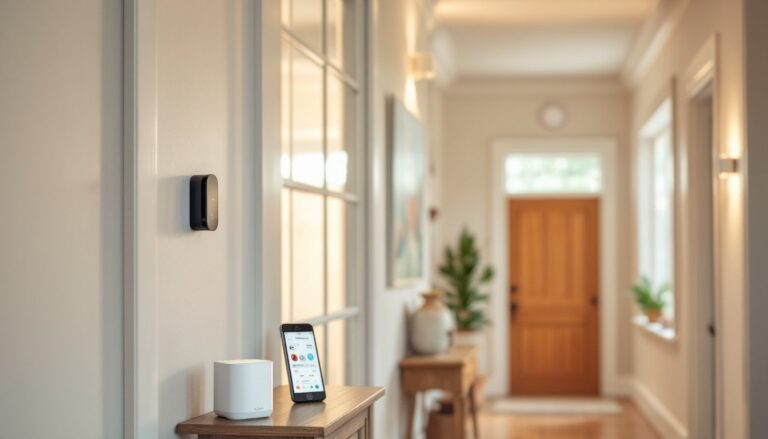
A wifi alarm system gives you the ability to monitor your home from anywhere, arm or disarm remotely, and get instant alerts if something goes wrong, all without running hardwired cables through your walls. Whether you’re protecting a small apartment or a sprawling house, a wifi-based setup puts security in your hands and your phone. This guide walks you through what these systems do, which features matter most, how to install one yourself, and how to keep it running smoothly for years to come.
Table of Contents
ToggleKey Takeaways
- A WiFi alarm system enables remote monitoring, arm/disarm control, and instant alerts from your smartphone without requiring professional installation or hardwired cables.
- Install your system DIY-style by planning entry points, setting up the hub centrally, mounting sensors properly, and running a complete test cycle to ensure all zones function correctly.
- Battery maintenance, regular firmware updates, and network health checks are essential to keep your WiFi alarm system reliable and secure for the long term.
- Choose systems with at least 100-foot wireless range, battery backup lasting 12+ hours, and false alarm reduction features to match your home’s size and layout.
- Monthly access log reviews and sensor testing help you spot unusual patterns and catch security issues before they become problems.
What Is A WiFi Alarm System And Why Your Home Needs One
A wifi alarm system combines sensors (door/window contacts, motion detectors, glass break sensors) with a hub that communicates over your home network instead of a phone line or cellular module. Unlike older hardwired systems, wifi setups are wireless, easier to add sensors to, and let you monitor everything from your smartphone in real time.
The appeal is straightforward: you don’t need a professional installation crew or monthly monitoring service (though both options exist). You get immediate notifications when a door opens, motion is detected, or a panic button is pressed. You can arm your system while driving to work, check camera feeds during lunch, and rest easier knowing someone can’t breach your home without you knowing.
Functionally, a wifi system works by having each sensor communicate with a central hub over your Wi-Fi network. When triggered, the hub logs the event and sends you a push notification. Some systems also integrate with cameras, smart locks, and lighting, turning your alarm into the foundation of a complete smart home security setup. Modern systems like the Smart Alarm System category offer flexibility that older panel-based systems simply can’t match.
Key Features to Look For When Choosing a WiFi Alarm System
Not all wifi alarm systems are created equal. Before you buy, nail down a few core requirements.
Sensor Range and Coverage: Make sure the system’s wireless range covers your home without dead zones. Most quality systems work reliably up to 100 feet in open space, but walls and interference reduce that. Count your entry points, doors, windows, garage doors, and confirm you can place sensors everywhere you need them. You should also consider whether you want to add exterior cameras later.
Battery Backup: Your hub should have built-in battery backup so it stays online if your internet drops. Most hubs include 12-24 hours of backup, which gives you time to restore service. Sensors also need batteries: look for systems that alert you when batteries run low.
False Alarm Reduction: Ask how the system handles false alarms. Some use two-stage triggers (motion plus door open, for example) to reduce nuisance alerts. Others rely on you to disarm within a delay window if you accidentally trip a sensor.
Monitoring Service (Optional): Decide whether you want professional 24/7 monitoring ($10–20 per month) or if you’ll handle alerts yourself. Self-monitoring is cheaper and lets you respond instantly: professional monitoring calls the authorities if you don’t respond within a time window.
How to Install a WiFi Alarm System: Step-by-Step for Homeowners
Most wifi alarm systems are DIY-friendly because there’s no wiring. Here’s what installation typically looks like.
1. Plan Your Layout
Walk through your home and identify every entry point that needs protection: exterior doors, first-floor windows, garage doors, and any sliding glass doors. Note any interior spaces where motion detection makes sense (living room, hallway, basement). Sketch a quick diagram so you remember where each sensor goes. This also helps you identify Wi-Fi dead zones, if your router is in the front corner and your back bedroom has weak signal, place your hub in a central location or use a mesh network extender.
2. Set Up the Hub
Plug the hub into power in a central location, preferably near your router. Follow the app setup: create an account, connect the hub to your Wi-Fi network, and name your system. Most hubs let you customize zones (“Front Door,” “Living Room,” etc.) so alerts are clear. The hub typically syncs time automatically: if it doesn’t, set the correct time manually, timestamps matter for logs.
3. Mount Sensors
Clean the surface where you’re mounting each sensor (use a dry cloth to remove dust and oils). Most door/window contacts use double-sided adhesive: some come with small screws if you prefer. Mount the magnet and sensor so they’re aligned, the sensor detects when the magnet moves away as a door opens. Test each sensor by opening and closing the door and confirming an alert pops up in the app.
For motion detectors, mount them 5–6 feet high on a wall with a clear view of the space. Avoid pointing them at windows or heating vents (direct sunlight or hot air causes false triggers). Test the motion sensor by walking in front of it: it should detect movement within the advertised range.
4. Configure Zones and Rules
Once sensors are connected, assign each one to a zone and set when it should trigger. You might want entry doors armed all the time, but motion sensors only when no one’s home. Some systems let you create schedules (arm at 11 PM automatically) or tie sensors to other smart home devices (turn on lights if motion is detected at night).
5. Run a Test Cycle
Before relying on your system, trigger each sensor intentionally and confirm:
- The hub logs the event
- Your phone receives a notification
- The app shows the correct zone name
- Disarming the system stops the alarm (if one sounds)
If you have professional monitoring enabled, inform the monitoring center that you’re testing so they don’t send police.
Maintaining Your WiFi Alarm System for Long-Term Performance
A wifi alarm system needs minimal maintenance, but a little attention keeps it reliable.
Battery Checks: Most systems notify you when sensor batteries run low, but make it a habit to check twice a year (spring and fall work well). Keep spare CR2032 or AA batteries in a drawer so you can swap them out immediately. Don’t ignore low-battery warnings, a sensor without power won’t detect intrusions.
Network Health: Your wifi signal must stay strong. If you move your router or add obstacles (new furniture, appliances), test the hub’s connection. Walk around your home with the app open and note any lag in loading or alerts. If response times slow, move the hub closer to your router or add a mesh extender.
Firmware Updates: Check the app monthly for system updates. These often patch security vulnerabilities and improve reliability. Install updates when prompted, don’t delay. Updates rarely cause problems and significantly improve your system’s safety.
Clean Sensors: Dust and fingerprints on motion detectors can reduce their sensitivity. Once every few months, gently wipe sensors with a dry, soft cloth. Don’t use water or solvents.
Review Access Logs: Most systems store a detailed log of arming/disarming, sensor triggers, and access by family members. Review this monthly to spot unusual patterns. If someone’s code is compromised or you suspect tampering, change passwords and reset access immediately.
If something stops working, a sensor won’t connect, the hub freezes, or notifications stop coming, try the basics first: restart the hub, restart your router, remove and re-add the sensor, and check that your app is fully updated. The Best Home Security Alarm options have solid customer support, but most issues resolve with basic troubleshooting. For persistent problems, consult your system’s manual or contact support: don’t assume the hardware is bad until you’ve eliminated software issues.
Consider consulting guides on Home Alarm Repair if you encounter persistent issues, or explore Free Home Alarm System options if you’re building a more budget-conscious setup. You can also review the Basic Home Alarm System category for foundational security advice. Many professionals also recommend checking expert reviews of smart home security systems and tested wireless home security systems to understand what works at scale.
Conclusion
A wifi alarm system puts home security within reach of any homeowner willing to spend a Saturday on setup. You get real-time monitoring, remote control, and the peace of mind that comes with knowing your home is protected. Keep batteries fresh, update firmware regularly, and test your system every few months. Your home is your biggest investment, protecting it shouldn’t require a contractor’s truck in your driveway or a years-long monitoring contract. A modern wifi system is fast, affordable, and genuinely effective.