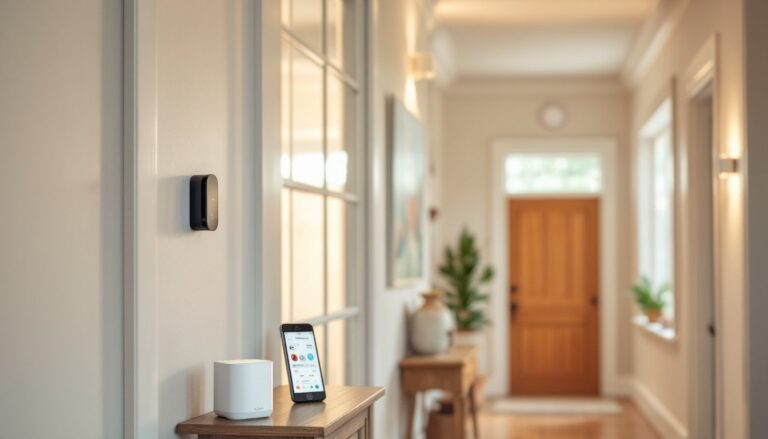
Smart home security has evolved dramatically since the days of basic motion sensors and landline-triggered alerts. Today’s homeowners expect their security systems to integrate seamlessly with the devices they already use, phones, speakers, lights, and locks. Google Nest Secure represents that shift: a no-contract, professionally monitored alarm system that works with your existing Google ecosystem and lets you monitor your home from anywhere. Whether you’re protecting a small apartment or a multi-story house, understanding how a Google alarm system works and whether it fits your needs is the first step toward genuine peace of mind. This guide walks you through setup, features, costs, and real-world integration so you can make an well-informed choice.
Table of Contents
ToggleKey Takeaways
- Google Nest Secure is a wireless, professionally monitored alarm system with optional 24/7 monitoring and no long-term contracts, making it ideal for homeowners seeking flexibility.
- Setup takes just 30–45 minutes with wireless sensors and the Google Home app guiding you through installation without requiring technician visits or complex wiring.
- A Google alarm system integrates seamlessly with your existing Google ecosystem, enabling automations like automatic lighting, door locks, and smart alerts when triggered.
- Base hardware costs $200–250 with optional professional monitoring at $10–15 monthly, keeping total setup costs around $400–500 for a complete three-sensor system versus traditional alarm contracts.
- The system includes Wi-Fi and cellular backup, water leak detection, and activity zones to customize protection for your home without false alarms in pet areas.
- Self-monitoring via app alerts works for renters and budget-conscious users, while professional monitoring offers 24/7 response without early termination penalties.
What Is Google Nest Secure and How Does It Work?
Google Nest Secure is a wireless, professionally monitored home alarm system that combines DIY installation with professional 24/7 monitoring. Unlike traditional systems requiring hardwired installation and contracts, Nest Secure operates on Wi-Fi and cellular backup, so you’re not locked into a long-term service plan. The core hardware includes a Nest Guard hub (the main control panel), Nest Detect sensors (door/window contacts), and a Nest Keypad for arming/disarming. When a sensor is triggered, say, a door opens while the system is armed, the hub alerts your phone, logs the event, and can dispatch monitoring services if you’ve subscribed to professional monitoring.
Key Features and Components
The Nest Guard hub doubles as a night light and control center. It uses Wi-Fi and cellular (Lte Cat-M1) backup, so if your internet drops, the system keeps working. The hub can trigger sirens, send push notifications, and integrate with other Google Home devices. Each Nest Detect sensor is small and wireless: they run on standard batteries lasting roughly 2–3 years per pair. The Nest Keypad lets household members arm/disarm the system without reaching for a phone, useful for kids or guests. You can add additional sensors as needed, and the system supports up to 64 sensors total. A key feature is the environmental sensing capability: some sensors detect water, which helps catch early signs of leaks. The system also offers Activity Zones, allowing you to designate rooms where motion shouldn’t trigger alarms, like a pet room or hallway.
Why Choose a Google Alarm System for Your Home?
If you’re already invested in Google’s ecosystem, Google Home speakers, Nest cameras, Android devices, a Google alarm system is a natural fit. The main draw is ecosystem integration: unlock your Nest door lock when the system disarms, trigger lights when motion is detected, or have your Nest speaker announce an alert. There’s no vendor lock-in: you own the hardware outright after purchase and can choose whether to pay for monitoring month-to-month. Compared to traditional alarm companies requiring multi-year contracts and installation fees, this is genuinely more flexible. The Smart Alarm System: Revolutionize approach that Google takes eliminates the need for technician visits and complex wiring. Another advantage is transparency: you see exactly what you’re paying for, hardware upfront, optional monitoring monthly, rather than surprise early-termination fees. The system is also designed for renters and homeowners: since it’s wireless and non-destructive, you can take it with you if you move.
Installation and Setup: Getting Started With Your Google Alarm
Installation is genuinely straightforward and typically takes 30–45 minutes for a basic two-door, one-window setup. Start by choosing placement for the Nest Guard hub: a central, open location (living room or kitchen) works best for Wi-Fi signal and audible siren. It needs power via USB-C, so ensure an outlet is nearby. Next, open the Google Home app and add the Nest Secure system. The app will guide you through account linking and Wi-Fi pairing: the hub emits a setup code displayed in the app, confirming you’re adding your own device. Once the hub is connected, install Nest Detect sensors on doors and windows using the adhesive strips provided. Each sensor has a magnet that triggers when separated from the door/frame, so placement matters: mount the magnet on the door or window, and the sensor on the frame, aligned vertically (not rotated 45 degrees, magnetic contacts are directional). For the Nest Keypad, choose a location family members frequent, near an entry door or in the kitchen. It pairs via the app and runs on four AA batteries. If you’re mounting anything into drywall or wood, verify stud locations with a stud finder to avoid electrical lines. Some jurisdictions require permits for monitored alarm systems: check your local code before activating professional monitoring. After physical setup, test the system: arm it, open a sensor-protected door, and confirm your phone receives an alert within 10 seconds.
Integrating Google Alarm With Your Smart Home Devices
The real power of a Google system emerges when you integrate it with other smart home devices. In the Google Home app, you can create automation routines tied to system events. For example, when the system arms at night, have all lights except the bedroom dim to 20%, lock all doors, and set the thermostat to night mode. When disarmed in the morning, lights brighten, the coffee maker starts (if it’s Google-compatible), and the front door unlocks. These automations save time and reinforce security habits. If you own a Nest camera, you can view footage alongside alarm events, when a door sensor triggers at 3 AM, you can immediately see the live feed to confirm it’s a delivery driver or a deer, not an intruder. Water sensors on Nest Protect smoke/CO detectors or standalone water sensors can detect leaks: trigger a routine to shut off your water valve or send an alert to your phone. The system also integrates with smart locks: when the alarm disarms (via keypad or app), your Nest Lock can automatically unlock, though you can disable this for security. One practical note: test integrations before relying on them. If your Wi-Fi drops, automations tied to cloud services may fail, but the alarm system itself will still function and send alerts via cellular backup.
Cost, Plans, and What to Expect
Google Nest Secure’s base package, hub, one Detect sensor, and one Keypad, costs roughly $200–250, depending on retailer and current promotions. Additional Detect sensors run $25–35 each. Water sensors and other accessories add more, but you only buy what you need. Monthly professional monitoring is optional: $10–15 per month with no contract, or you can skip it and rely on self-monitoring via app alerts. Self-monitoring means you call police if an alarm triggers: professional monitoring means the company does. For renters or those testing the waters, self-monitoring is sufficient and saves money. If you upgrade to professional monitoring later, there’s no penalty. The system supports two levels of professional monitoring: standard (dispatch on alarm) and premium (faster response, sometimes with additional services). Costs vary by region: some areas charge slightly more due to local dispatch regulations. One hidden cost many overlook is Wi-Fi reliability: if your home Wi-Fi is spotty, the system’s cellular backup is a lifesaver, but you’re dependent on your provider’s coverage map. Check Next Generation Security System: Revolutionizing Safety with AI and Biometrics to understand how modern systems are advancing beyond basic triggers. Total out-of-pocket for a modest setup, hub, three sensors, keypad, plus 12 months monitoring, typically runs $400–500, a fraction of traditional alarm company contracts.
Conclusion
Google Nest Secure is a practical, flexible choice for homeowners wanting smart home integration without vendor lock-in or long-term contracts. Setup is approachable for confident DIYers: if you can read instructions and use an app, you can install it. The real value emerges when you weave it into your existing Google ecosystem, automations, cameras, and notifications working together. It’s not the cheapest option (traditional monitored systems sometimes undercut it upfront), but the flexibility, no-contract structure, and integration depth justify the cost for most households. Start with Ring Home Alarm System: A Comprehensive Overview comparisons to understand your full range of options, then choose based on your existing smart home devices and priorities.