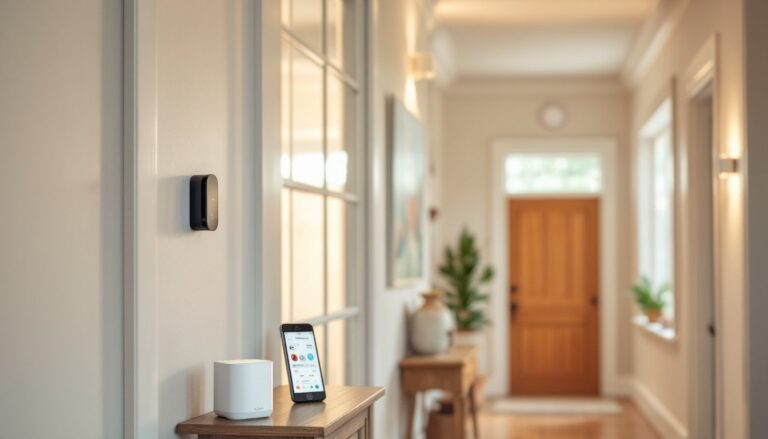
SimpliSafe home security systems have become a go-to choice for homeowners who want professional-grade protection without the contractor-grade installation hassle. If you’re tired of complicated wiring, expensive professional installation, and long-term contracts, a SimpliSafe alarm system offers a refreshing alternative. This guide walks you through what makes SimpliSafe stand out, how to set it up yourself, and whether it’s the right fit for your home’s security needs. Whether you’re outfitting a small apartment or a sprawling suburban house, understanding the SimpliSafe system setup and monitoring options empowers you to make an well-informed choice about home protection.
Table of Contents
ToggleKey Takeaways
- SimpliSafe security systems offer wireless, DIY installation without the need for electricians, permits, or hardwired sensors, making setup quick and non-invasive.
- A SimpliSafe alarm system provides flexible monitoring options ranging from free self-monitoring via your phone to professional 24/7 monitoring for $15–$30 per month with no long-term contracts.
- The wireless design allows you to install sensors in rental properties without landlord permission, move sensors easily between rooms, and take your system with you when you relocate.
- SimpliSafe works seamlessly with voice assistants like Alexa and Google Home, includes battery backup for power outages, and uses cellular backup so alerts reach the monitoring center even if your internet drops.
- Setup takes just 1–2 hours and involves placing door/window sensors, positioning motion detectors in high-traffic areas, and testing connections through the app—no technical skills required.
- Compared to traditional security systems requiring 3-year contracts and $40–$60 monthly monitoring fees, SimpliSafe security systems cost $200–$400 upfront with month-to-month flexibility and lower ongoing costs.
What Is SimpliSafe and Why It Matters for DIY Homeowners
SimpliSafe is a wireless, professionally monitored security system designed for homeowners who want control over their own installation. Unlike traditional systems that require electricians to drill into walls and run hardwired sensors, the SimpliSafe alarm system uses battery-powered wireless sensors that communicate via radio frequency. You install them yourself, stick a door sensor on a frame, mount a motion detector on a wall, and you’re done. No permits. No waiting for a technician. No holes in your drywall.
The appeal for DIY homeowners is straightforward: setup takes hours, not weeks. The equipment is affordable, the contracts are flexible (no 3-year lock-in), and you can expand or reconfigure your system as your life changes. If you move, take your SimpliSafe security system with you. If you want to add sensors to a new bedroom addition, order them and snap them into place. That flexibility matters, especially for renters or homeowners who’ve been burned by inflexible contracts elsewhere.
Monitoring is optional but available. You can arm and disarm your SimpliSafe home security system from your phone, receive instant alerts, or pay for 24/7 professional monitoring that dispatches police if your system detects a break-in. This hybrid model, DIY installation, professional backup, is why SimpliSafe has become popular for people who want autonomy without abandoning security.
Key Features That Make SimpliSafe Stand Out
SimpliSafe systems come with a base station (the control hub), wireless door and window sensors, motion detectors, and optional add-ons like glass-break sensors and video cameras. The base station acts as the brain, it receives signals from sensors, sounds the alarm, and communicates with monitoring centers. Most kits include sensors for 4–6 entry points and 2–3 motion detectors, enough for typical homes.
The real standout features are the simplicity and integration. Your SimpliSafe alarm system works with voice assistants like Alexa and Google Home, so you can arm your system by saying “Alexa, arm my system.” Cameras (available as add-ons) integrate seamlessly, and you can view live feeds from your phone. The battery backup on the base station ensures your system keeps running during power outages. Sensor batteries last 1–3 years depending on usage, and the system warns you when batteries are low.
Another bonus: no landline required. Older security systems need a phone line to report alarms. SimpliSafe uses cellular backup, meaning it sends alerts to the monitoring center even if your internet drops. That’s a real advantage if your ISP goes down during a break-in attempt.
Wireless Installation and Flexibility
The wireless design is what sets SimpliSafe home security systems apart from traditional systems. Each sensor runs on AA or AAA batteries and communicates with the base station using encrypted radio signals. You don’t run wire from your attic to your basement or hire an electrician to install conduit. Stick the adhesive sensor on the door frame, test the connection on your phone app, and you’re done.
This flexibility means you can install your system in rented apartments without landlord permission (since you’re not altering the structure), and you can easily add or move sensors. Need to monitor a new sliding glass door? Buy the sensor, peel and stick it, add it to the app. Want to move motion detectors from one room to another? Pop them off the wall and reinstall elsewhere. That adaptability is huge for homeowners whose needs change, new baby, home office conversion, or a renovation project that shifts your floor plan.
How to Set Up SimpliSafe: A DIY Guide
Setting up a SimpliSafe system takes 1–2 hours for a typical house. Here’s the process:
-
Unbox and charge the base station. The hub arrives with a USB cable. Plug it in and let it charge fully (usually 4–6 hours). Don’t skip this step, a dead base station defeats the purpose.
-
Download the SimpliSafe app and create an account. You’ll need this to configure sensors and monitor your system. The app walks you through setup in a guided workflow.
-
Place entry-point sensors first. Start with doors and windows. Peel the adhesive backing and stick the sensor frame to the door or window frame, and the magnet to the moving part (door or window sash). The sensor triggers when the magnet and frame separate, if the door opens, the alarm fires. For sliding glass doors, place sensors on the frame and the sliding panel.
-
Position motion detectors strategically. Motion sensors should face into the room and cover hallways, living areas, and stairwells, high-traffic zones where intruders are likely to move. Avoid pointing them at windows (sunlight can trigger false alarms) or at pets (if you have a 50-pound dog, motion sensors in that room will cause false alarms unless you adjust sensitivity). Most SimpliSafe motion detectors have pet-immunity settings up to 40 pounds.
-
Test each sensor via the app. Walk toward motion detectors, open and close doors and windows, and watch the app to confirm signals register. If a sensor doesn’t register, move it closer to the base station or check battery connections.
-
Set up entry delays. When you arm the system, you’ll want a 30-60 second delay before the alarm triggers, so you have time to disarm it when you enter. Configure this in the app, it’s typically 30 seconds for doors, 0 for motion (since motion inside means someone’s already in).
-
Enable notifications. Turn on alerts in the app so you get push notifications if a sensor is triggered. If you’ve subscribed to professional monitoring, the system will also alert the monitoring center.
Choosing Your System and Planning Placement
Simplisafe offers several kits, Essential, Standard, and Premium, each with different sensor counts. The Essential kit covers 4 entry points and includes 1 motion detector, good for apartments or small homes. The Standard kit doubles the coverage with 2 motion detectors and sensors for more doors and windows. The Premium kit adds glass-break sensors, additional motion detectors, and sometimes cameras.
Choose based on your home’s layout and entry points. A single-story apartment with one entrance might need only the Essential kit. A two-story house with a side entrance, back door, sliding glass door, and multiple windows warrants the Standard or Premium. Count your doors and windows, then buy a kit that covers them with one spare sensor for future additions.
Placement strategy matters. Entry-point sensors (doors, windows) are the foundation, they’re the first line of defense. Motion detectors back them up. Place motion sensors in hallways leading from entry points, living rooms, or bedrooms, but not in laundry rooms or kitchens where activity is constant and false alarms are annoying. Avoid placing the base station in a metal cabinet or garage: it needs a clear line of sight to sensors (radio signals are blocked by metal and concrete). A central location, a hallway closet, bedroom shelf, or bookcase in the living room, works best.
Monitoring Options and Professional Support
SimpliSafe gives you choices: self-monitoring, professional monitoring, or a mix. With self-monitoring, you arm and disarm the system via the app and respond to alerts yourself. If a sensor triggers, your phone buzzes and you decide whether to call the police. This is free (beyond the equipment cost), but it assumes you’re available and responsive 24/7.
Professional monitoring ($15–$30 per month, depending on your plan) means a monitoring center receives alerts instantly. If an alarm triggers, they call you to verify. If you don’t answer or confirm an intruder is present, they dispatch police to your address. This is the gold standard for security, you’re not relying on your own judgment or availability. During vacation or when you’re deep asleep, a 24/7 monitoring center is your backup.
Many homeowners hybrid-monitor: they self-monitor day-to-day but upgrade to professional monitoring when they travel or during high-risk periods. SimpliSafe’s month-to-month contracts make this flexible. Compared to traditional security companies that lock you into 3-year contracts, that flexibility is a breath of fresh air.
According to detailed SimpliSafe reviews from industry experts, customer support is responsive and the app is intuitive. If something malfunctions, a sensor won’t pair, the base station reboots unexpectedly, SimpliSafe support can usually resolve it over the phone or via app guidance. They don’t charge service calls for setup issues, which is honest customer service.
SimpliSafe vs. Traditional Security Systems
Traditional security systems (ADT, Vivint, Frontpoint) rely on wired sensors hardwired into your home, which means installation requires an electrician, wall penetrations, and permits. You’re locked into multi-year contracts, and if you move, the system stays. Monthly monitoring is often $40–$60, and if a sensor breaks, a technician charges $150+ to repair it.
Simplisafe security systems are wireless, self-installed, and contract-free. Monthly monitoring is $15–$30. If a sensor fails, you order a replacement ($30–$50) and swap it yourself. Upfront costs are lower (most kits run $200–$400), but traditional systems can be cheaper if you’re in the home for 5+ years and divide the installation cost over time.
Alternative DIY systems exist, Ring Alarm, Wyze, Abode, and each has strengths. Ring integrates deeply with Amazon’s ecosystem if you’re already an Alexa user. Wyse is ultra-budget-friendly. Abode offers local storage (no cloud dependency). SimpliSafe splits the difference: affordable, easy, and cloud-based with good app design. Current smart alarm system reviews from Digital Trends consistently rank SimpliSafe in the top tier for DIY homeowners who want balance between cost, features, and reliability.
The deciding factor often comes down to your situation. If you’re renting, SimpliSafe wins (no installation damage). If you’re staying long-term and want to integrate with existing smart home devices, compare SimpliSafe against Ring and other platforms side-by-side. If you want zero monthly fees and self-monitoring only, Wyze might be cheaper. But for most homeowners seeking a straightforward, flexible, professionally monitored system without contractor visits, SimpliSafe home security system delivers solid value.