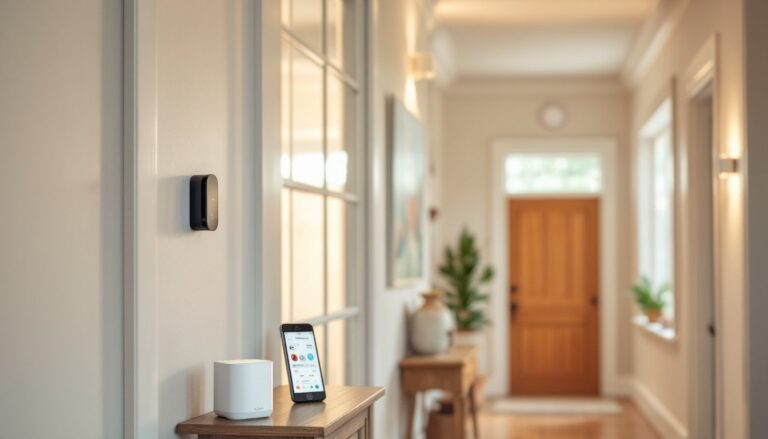
A driveway alarm gives you peace of mind by alerting you the moment someone, or something, enters your property. Whether you’re running a home-based business, have kids playing outside, or just want to know when a visitor arrives, a Dakota driveway alarm offers reliable, wireless detection without the monthly monitoring fees. In 2026, these systems have become far more affordable and user-friendly than they once were, making them an accessible first line of defense for homeowners who don’t need (or want) a full security system integration.
Table of Contents
ToggleKey Takeaways
- A Dakota driveway alarm uses passive infrared motion detection to alert you wirelessly when vehicles or people enter your property, requiring no wiring, contracts, or monthly monitoring fees.
- Dakota driveway alarms typically cover 40 to 60 feet of detection range and 300 to 600 feet of wireless receiver range, making them ideal for standard residential driveways and long property approaches.
- Installation requires only basic tools and takes minutes—mount the weatherproof sensor at your driveway entrance angled downward, pair it with the indoor receiver, and test by walking across the zone.
- Battery life typically lasts 6 to 12 months for sensors and can be extended by adjusting sensitivity, avoiding extreme heat/cold exposure, and choosing shaded mounting locations.
- False alarms from animals, wind, or shadows are manageable by lowering sensitivity settings, and signal blockages are resolved by trimming vegetation and ensuring clear line of sight between sensor and receiver.
What Is a Dakota Driveway Alarm?
A Dakota driveway alarm is a wireless motion-detection system designed to alert you when a vehicle or person crosses the entrance to your property. The system typically consists of two main components: a battery-powered sensor unit that sits at the end of your driveway and a wireless receiver placed inside your home. When motion triggers the sensor, the receiver emits an audible chime or alert, no wiring, no contract, no subscription required.
Unlike traditional security systems that monitor your entire home, a driveway alarm focuses specifically on perimeter detection. It’s perfect for properties with long driveways, rural locations, or anywhere you want early warning of activity. The sensor itself is weatherproof and compact, usually measuring about 4 by 2 inches, making it easy to mount on a pole or post without drawing attention.
Why You Need a Driveway Alarm for Home Protection
Home security doesn’t stop at your front door. A driveway alarm extends your awareness outward, giving you time to react before an unwanted visitor reaches your house. For homeowners in rural areas or on large properties, a driveway alarm can be the difference between knowing a stranger is approaching and being caught off guard.
Beyond security, driveway alarms serve practical everyday functions. If you run a home office or have elderly relatives living with you, an alarm notifies you when guests or family arrive. Parents of young children can set alarms to monitor whether kids are heading toward the street. In a home improvement context, you’ll know when delivery trucks or contractors arrive, so you’re not stuck waiting all day. The system is also far less expensive than professional monitoring services, typically $30 to $80 for a basic unit, and requires no ongoing fees or contracts.
How Dakota Driveway Alarms Work
Motion Detection Technology
Dakota driveway alarms rely on passive infrared (PIR) sensors to detect motion. The sensor scans for changes in heat signatures, when a warm object (a vehicle, person, or large animal) passes through its detection zone, the infrared light bounces off that object and triggers the sensor. Because it’s passive, meaning it doesn’t emit any signal of its own, the sensor draws very little power and can run on a single set of batteries for 6 to 12 months depending on activity level and temperature.
The receiver indoors picks up the wireless signal from the sensor and sounds an audible alert. Most units allow you to adjust the volume or choose between different chime tones, helpful if you want a subtle notification rather than a loud alarm. Some models also include a small LCD display that shows the detection zone and battery status.
Range and Coverage
Motion detection range varies by model, but most Dakota driveway alarms cover between 40 and 60 feet from the sensor. This distance is usually sufficient for a standard residential driveway but may fall short on very long driveways or if dense vegetation blocks the sensor’s line of sight. Placement is critical: mount the sensor at a height of 2 to 5 feet, angled slightly downward to catch vehicles approaching at normal driving height.
Wireless range between the sensor and receiver typically spans 300 to 600 feet, depending on obstacles like walls and metal structures. Before purchasing, check your driveway length and the distance from your driveway to your main living areas. If your driveway is longer than 60 feet, confirm the sensor range covers your actual entry point. Some homeowners with very long driveways install multiple sensors to cover the full distance, though this requires additional receiver units.
Installation and Setup Guide
Installing a Dakota driveway alarm is straightforward and requires no professional electrician. You’ll need basic tools: a drill, screwdriver, adjustable wrench, and a level.
Materials and Tools:
- Sensor unit (supplied with batteries)
- Receiver (plugs into standard outlet or runs on batteries)
- Mounting bracket or pole
- Exterior-grade hardware (bolts, washers, nuts)
- Drill and bits
- Screwdriver set
- Level
- Tape measure
Installation Steps:
- Choose your sensor location at the entrance to your driveway, ideally where a vehicle would first enter your property.
- Install the mounting bracket securely to a post, pole, or wall using exterior-grade bolts and a level to ensure the sensor faces the direction of incoming traffic.
- Mount the sensor unit onto the bracket, angling it slightly downward (about 15 degrees) to catch heat signatures at windshield height.
- Insert the included batteries into both the sensor and receiver (usually AA or AAA cells: check your model’s specifications).
- Activate the sensor and receiver following the included pairing instructions, most units feature a simple button-press sync.
- Test the system by walking across the driveway and confirming the receiver chimes indoors.
- Adjust the sensor’s angle and sensitivity if needed using the adjustment screws on the mounting bracket.
Keep in mind that weather, temperature swings, and direct sunlight can affect sensor accuracy. If you live in a climate with heavy snow or extreme heat, choose a shaded location and avoid aiming the sensor directly into afternoon sun. Battery life decreases in cold climates, so plan to replace batteries annually in winter zones.
Troubleshooting Common Issues
Receiver Not Responding
If your receiver doesn’t chime when the sensor detects motion, first check that both units have fresh batteries. Alkaline batteries lose charge faster in cold weather and high-motion scenarios. Replace batteries in both the sensor and receiver simultaneously to avoid confusion about which unit is running low. If chiming still fails, verify that the receiver is within wireless range of the sensor (typically 300–600 feet without obstruction). Buildings with metal siding, reflective insulation, or steel reinforcement can block signals, try moving the receiver closer to a window or exterior wall facing the sensor.
False Alarms from Wind, Animals, or Shadows
PIR sensors can misfire when warm air rises rapidly, when animals cross the detection zone, or when shadows from trees shift with wind. Most Dakota units allow you to adjust sensitivity with a dial or switch on the sensor body. Lower sensitivity reduces false alarms but may miss light activity like bicyclists or small vehicles. A practical middle ground: set sensitivity to medium and accept that occasional false alarms are preferable to missing a legitimate alert. Alternatively, angle the sensor to exclude areas where animals frequently roam or where wind drafts are common.
Short Battery Life
Battery drain accelerates if the detection zone is too sensitive, if temperatures drop below freezing, or if motion is constant (near a busy road, for example). Reduce sensitivity to decrease power draw. In extremely cold regions, consider battery-powered receivers (rather than plugged-in models) and swap batteries every 6 months instead of annually. Rechargeable NiMH batteries may help but perform poorly in cold, so stick with fresh alkalines for reliable performance.
Blocked Signal or Weak Detection
Leafy trees, tall grass, or dense shrubs in front of the sensor reduce detection range and can cause intermittent alerts. Trim vegetation to maintain a clear 10-foot zone in front of the sensor. If your driveway has a long approach, test detection at the critical distance (around 50 feet from the sensor) by walking or having someone drive slowly toward your home. Adjust the sensor’s angle and height if needed. You can reference smart home product reviews and DIY project tutorials for additional guidance on sensor placement in tricky layouts.
Receiver Placement Tips
Place the receiver in a central location inside your home, near an entry door, kitchen, or living area where you’ll hear alerts during normal activity. Avoid placing it in noisy garages or basements where you might miss chimes. If you want alerts in multiple rooms, purchase additional receivers (the sensor can pair with several receivers simultaneously). Test range and signal strength before finalizing placement: you don’t want to discover your receiver is too far from the sensor after installation.