Ever walked into a room and felt instantly transported? That’s the magic of design and decor. It’s not just about what’s in your space: it’s about creating an atmosphere that reflects personality and style. Imagine your living room radiating warmth, your workspace bursting with creativity, or your bedroom inviting relaxation. That’s the allure of well-thought-out design principles and tasteful decor. And don’t worry, transforming your space doesn’t require a degree in interior design or a fortune at the local decor store. This guide walks through key elements and strategies for anyone ready to elevate their space without breaking a sweat (or the bank). Ready to immerse? Let’s make your surroundings as fabulous as you are.
Understanding Design Principles
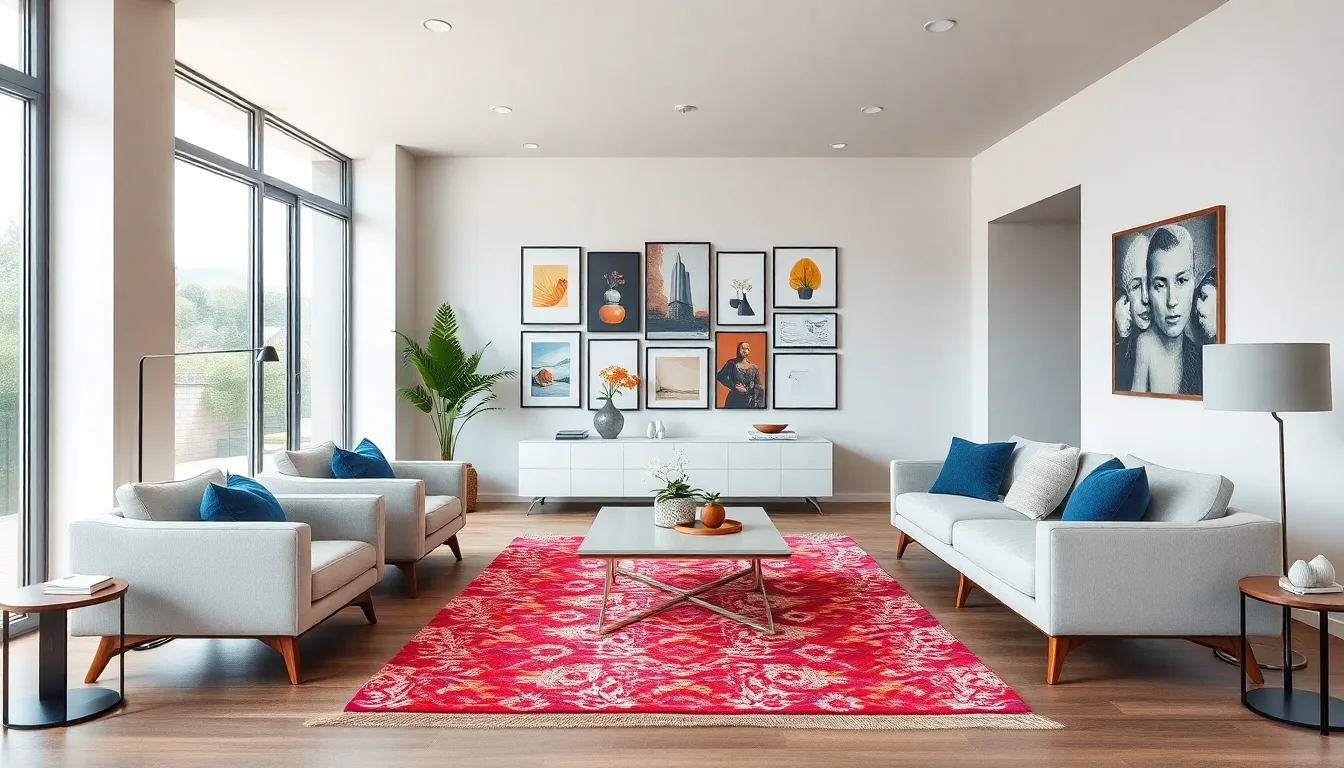
Design isn’t just about making a space look pretty: it’s a science. Understanding fundamental design principles is crucial for anyone aiming to improve their personal style.
Balance
Balance is the cornerstone of interior design. You can divide it into symmetrical and asymmetrical balance. Symmetrical balance arranges items evenly on either side of a central point, creating harmony. Asymmetrical balance, on the other hand, plays with scale and form, providing eye-catching appeal.
Scale and Proportion
Scale refers to the size of an object in relation to the space it occupies, while proportion involves the relationship between various elements in that space. For instance, a giant couch in a tiny studio? That wouldn’t be a match made in heaven. Always keep scale and proportion in mind to ensure everything feels right.
Focal Point
Each room needs a focal point, a place where the eye naturally lands. Be it a stunning piece of art, an extraordinary light fixture, or a bold wallpaper, having that one standout element drives interest. It’s the star of the show that makes everything else come together.
Rhythm
Rhythm in design is about creating a sense of movement and flow in a room. You can achieve this through repetition of colors, shapes, or materials, leading the eye from one area to another. Think of it like a well-orchestrated symphony, where every note plays a critical role in harmonizing the overall experience.
Unity and Harmony
Finally, aim for unity and harmony. This principle asserts that all elements in a room should work together cohesively. Mixing styles is exciting, but be cautious to create a sense of unity by sticking to a color palette or consistent materials.
Understanding these principles allows designers to create spaces that are not just visually appealing but functionally inviting.
Key Elements of Decor
Decor is where the magic happens, infusing rooms with personality and flair. Knowing key elements can drastically enhance the aesthetics of any space.
Furniture
First on the list is furniture. It’s not just about comfort: it’s also about style. Selecting the right pieces that align with your chosen design theme can set the entire mood of the space. Remember, it’s okay to mix different styles, as long as they complement each other.
Lighting
Next, lighting plays a pivotal role in decor. A well-lit room exudes warmth and inviting vibes. Layering lighting options, ambient, task, and accent, ensures every nook is well-lit while also allowing for flexibility. Think about chandeliers, floor lamps, or even string lights for that cozy touch.
Textiles
Don’t underestimate textiles. Soft furnishings like cushions, throws, and curtains add texture and warmth, making spaces feel homey. They can also introduce color and pattern without overwhelming the eye. So, it’s worth investing in quality fabrics that resonate with your design vision.
Accessories
Accessories tell a story. They are the finishing touches that can transform a bland room into a captivating space. From vases to books to unique artifacts, each piece can inject personality. Don’t go overboard, though: select accessories that harmonize with the overall theme.
Greenery
Finally, add a splash of life with greenery. Plants not only purify the air but bring vibrancy to any room. Incorporate various types and sizes of plants, whether hanging, potted, or as part of a centerpiece.
Popular Design Styles
Categories in design help narrow down preferences and inspire creativity. Here are some popular styles making waves in contemporary decor.
Minimalism
Minimalism prioritizes simplicity, think clean lines, uncluttered spaces, and a neutral color palette. This style promotes tranquility, allowing the beauty of a few select items to shine.
Bohemian
The bohemian style embraces an eclectic mix of colors, patterns, and textures. It’s all about celebrating individuality with a laid-back vibe that often includes vintage items and global influences.
Industrial
Industrial design takes inspiration from warehouses and factories, featuring raw materials, exposed structures, and a neutral color palette. It’s perfect for those who love an urban, edgy feel.
Scandinavian
Scandinavian design promotes functionality mixed with aesthetic appeal. Characterized by simplicity, minimalism, and a connection to nature, it’s all about maximizing light and utilizing natural materials.
Incorporating Color and Texture
Color and texture can shift the mood in a single stroke. Understanding how to wield these elements can dramatically transform any space.
Color Psychology
First off, consider color psychology. Colors can evoke emotions, blue for tranquility, red for energy, and yellow for cheerfulness. Choose colors that resonate with the ambiance you wish to create: even the choice between warm and cool tones can reshape a room’s feel.
Texture
Texture adds depth and interest. Combining smooth, rough, matte, and shiny finishes can create a balanced aesthetic. Whether it’s a plush rug on a hardwood floor or metallic accents against a soft wall hue, the interplay between textures keeps the eye engaged.
Paint Techniques
Equally important are paint techniques. Instead of simply painting a wall one solid color, consider techniques like sponge painting or ombre effects. These artistic touches can transform the ordinary into the extraordinary, making walls a canvas for creativity.
Sustainable Design Practices
A growing awareness of the environment means sustainable design practices are increasingly essential in decor. Here’s how to show respect to Mother Nature while beautifying your space.
Use Eco-Friendly Materials
Opting for eco-friendly materials helps minimize your carbon footprint. This could include sustainably-sourced wood, bamboo, or recycled materials. Every small choice adds up to a larger impact.
Energy Efficiency
Consider energy efficiency when selecting appliances and lighting. LED options not only save energy but also last longer, leading to cost savings in the long run.
Upcycling
Revamping old furniture is a trend that’s not going anywhere. Upcycling breathes new life into pieces you’d otherwise discard. A simple coat of paint or restructuring can turn unwanted items into focal points.
Bringing It All Together: Tips for Layering Decor
Layering decor can feel daunting, but it’s essential for achieving a polished look. Here are a few tips to help you master the art of layering.
Create Zones
Start by dividing the space into functional zones, such as lounging, working, and dining areas. This provides structure and makes the room feel more organized.
Layering Textures
Don’t shy away from layering different textures. Combine soft cushions with sleek metals and rustic woods. A diverse range makes spaces more inviting and visually interesting.
Consistent Color Repetition
Repeat colors throughout your decor. This method creates a visual thread that ties everything together, evoking a sense of cohesion. It works wonders for uniting spaces across open floor plans or varied rooms.
Personal Touches
Finally, sprinkle in personal touches. Family photos, travel souvenirs, or heirlooms add a unique character that transforms a house into a home. It’s those personal details that make all the difference in a well-designed space.