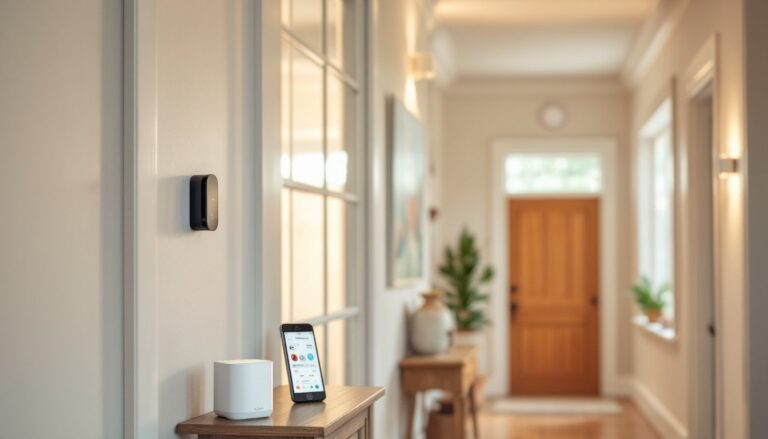
When it comes to protecting your home, choosing the right alarm system company matters just as much as the equipment itself. A good local provider combines responsive customer service, reliable monitoring, and transparent pricing, not flashy marketing. Whether you’re upgrading from an old system or installing one for the first time, knowing what to look for in your area takes the guesswork out of the buying process. This guide walks you through evaluating alarm system companies near you, understanding your options, and making a decision that fits your budget and lifestyle.
Table of Contents
ToggleKey Takeaways
- When evaluating alarm system companies near you, prioritize responsive customer service, proper licensing, and verified 24/7 monitoring center credentials over marketing claims.
- Hardwired systems offer reliability without battery concerns, while wireless systems provide faster, less invasive installation—choose a hybrid system if you need both coverage and convenience.
- Monitored alarm systems ($25–$50/month) provide professional backup and significantly reduce false alarms in your neighborhood, making them the standard choice for reputable local providers.
- Always request on-site inspections and written quotes from at least three companies; phone quotes without a home visit are a red flag for poor service quality.
- Review monitoring contracts carefully for early termination fees and automatic rate increase clauses, and never rush to sign without taking time to read terms at home.
- Schedule installation when you’re home, test your system thoroughly with the installer, and confirm the monitoring center receives alerts before considering the job complete.
What to Look for in a Local Alarm System Provider
Not all alarm companies are created equal, and local matters more than you’d think. A provider in your region understands local building codes, respects your municipality’s permit requirements, and can dispatch technicians quickly when you need them.
Start by checking whether a company holds proper licensing and insurance. Most states require alarm installers to be licensed: your state’s attorney general or contractor licensing board can confirm this. Ask about their National Alarm Association of America (NAAA) membership or similar accreditation, it’s a sign they follow industry standards.
Customer service responsiveness is non-negotiable. Call their main line during business hours and see how quickly they answer. Do they offer 24/7 support? If your alarm trips at midnight, you want a real person picking up, not a voicemail. Check online reviews on Google, the Better Business Bureau, and Angi for local alarm system service professionals to see what actual customers say about installation quality and follow-up support.
Finally, ask about their monitoring center. Is it UL-certified? Do they monitor in-house or outsource? An in-house monitoring center typically means faster response times and better familiarity with your system’s quirks.
Types of Alarm Systems and Which Fits Your Home
Before you call a company, understand what types of systems exist. The choice between hardwired, wireless, or hybrid setups shapes what you’ll pay and how easy installation becomes.
Hardwired systems run sensors and control panels through wiring hidden in walls and ceilings. They’re reliable and don’t rely on batteries for the main panel, but installation requires opening drywall and routing cables, a job for a professional. Expect disruption, especially in existing homes.
Wireless systems use radio signals between sensors and the hub. Setup is faster and less invasive, making them popular for renters or homeowners avoiding renovation. The tradeoff: battery replacement every 3-5 years and potential radio interference in dense urban areas.
Hybrid systems combine both, often using hardwired perimeter sensors and wireless interior detectors. They balance coverage and convenience.
Monitored vs. Unmonitored Systems
A monitored system sends alerts to a 24/7 monitoring center when triggered. The center verifies the alarm, contacts you, and dispatches police if needed. Monthly fees typically run $25–$50 depending on features. Unmonitored systems sound a local siren and send you a phone notification, relying on you to call 911. They’re cheaper upfront but offer no professional backup, fine for a vacation cabin, risky for your primary home.
Almost all reputable local providers push monitored systems because they reduce false alarms in your neighborhood (something police appreciate) and provide real liability protection for you. When evaluating companies, ask what their Best Home Security Alarm solutions include and whether they offer 24/7 professional monitoring as standard.
How to Research and Compare Companies in Your Area
Start local. Search “alarm system companies near me” or check the Home Alarm Archives for guides on specific systems. Then narrow down using these tactics.
Request free quotes from at least three companies. A legitimate provider will send an inspector to assess your home’s layout, entry points, and existing wiring before quoting. That site visit matters, it shows they’re not just copy-pasting generic pricing. If a company quotes you over the phone without visiting, skip them.
Use tools like HomeAdvisor to compare local contractors and read homeowner reviews. Look for patterns: Do reviews mention professional installation, clear communication, and follow-through? Or do they complain about surprise fees and poor customer service?
Don’t ignore manufacturer reputation. Brands like Honeywell Home Alarm and Ring Home Alarm System have strong track records, but a great local installer using an okay system often beats a mediocre installer with premium gear. Ask which brands the company stocks and why. If they only install one brand, that’s a red flag.
Finally, check whether they stay current with smart home technology news and automation trends. A company still selling only basic keypads in 2026 isn’t keeping up.
Installation, Costs, and Contract Terms to Evaluate
Installation costs vary wildly depending on your home’s layout and system complexity. A basic hardwired system in a single-story home might run $800–$1,500 installed. A multi-story house with many entry points and existing structural challenges could hit $3,000+. Wireless systems are typically 20–30% cheaper because no wall routing is needed.
Don’t assume the installer’s quote is fixed. Ask what’s included: Do they cover permit fees? Wall patching and paint? Battery backups? Training on the app? Some companies bury these costs in the monthly fee: others charge them upfront. Get it in writing.
Monitoring fees are where companies make recurring revenue, so read the contract carefully. Standard monitored service runs $25–$50/month. Some companies offer contracts locked for 3 years: others go month-to-month but at a higher rate. Early termination fees can range from $100 to $500. A reputable local company will let you review the contract at home before signing, never rush this step.
Ask whether they offer smart alarm system upgrades (app control, automation, integration with other smart home devices). These add flexibility and future-proofing, though they bump the cost.
Redline any clause that lets them increase monitoring fees without notice. Some contracts allow annual increases of 5–10%: others cap increases. This matters over a 3-year span.
Making Your Final Decision and Getting Started
Narrow your list to two or three finalists. Call each one with your questions: licensing, monitoring center details, equipment warranties, tech support hours, and what happens if the system malfunctions. A company confident in their work will answer everything clearly.
Visit their physical office or website. Do they have a brick-and-mortar location? A professional webpage? Social media presence? These aren’t make-or-break, but they suggest stability. A fly-by-night installer working out of a truck is riskier than a company with roots in your community.
Once you’ve chosen a company, schedule the installation for a time when you’re home. Walk the installer through your home, point out concerns (a wobbly door frame, pets that trigger motion sensors), and ask questions during the process. They should explain what they’re doing and why. If they rush through without explanation, that’s a service problem waiting to happen.
After installation, test your system thoroughly. Trigger sensors, verify phone notifications work, and confirm the monitoring center receives alerts. Ask for a written warranty covering parts and labor, and keep contact info for after-hours support handy. Many issues, false alarms, weak sensor signals, pop up in the first few weeks, and you want support that responds fast.
If you’re considering a basic home alarm system for your first time, don’t overthink it. A reputable local company will guide you toward what’s appropriate for your home and lifestyle, and you can always upgrade later.
Conclusion
Choosing a local alarm system company comes down to trust, clarity, and responsiveness. Do your assignments, check licensing, read reviews, get multiple quotes, and don’t sign anything you haven’t reviewed carefully. A good provider makes the process transparent, stands behind their work, and treats your home like their own. Take your time, ask tough questions, and you’ll end up with a system and a company you can count on.