Imagine settling down for a cozy night, only to be jolted out of your comfort zone by an irksome beeping sound. It’s like your fire alarm decided to join a band, and it can’t quite carry a tune. Home fire alarm beeping is more than just a nuisance: it’s a signal you can’t afford to ignore. In this text, we’ll investigate into the world of fire alarms, clearing the air on what those beeps mean and how you can respond appropriately. So, grab a cup of coffee, and let’s get into it.
Understanding Fire Alarm Beeping Sounds
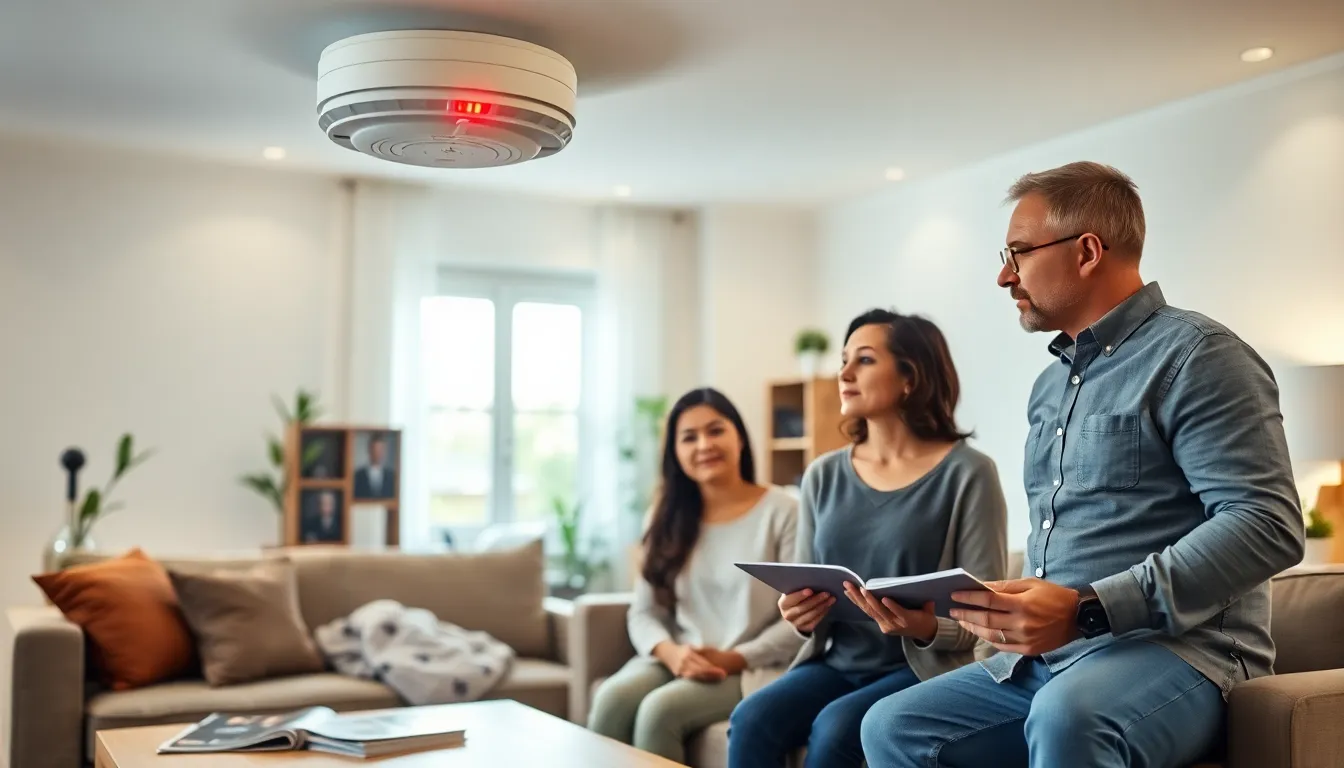
Fire alarms are programmed with a range of sounds to convey specific messages. A consistent beep, for instance, typically means there’s smoke or an actual fire, while chirping or intermittent beeping often indicates a low battery or the need for maintenance. The type, frequency, and rhythm of these sounds vary by manufacturer, but understanding their meaning can be the difference between a minor inconvenience and a potential disaster.
Most alarms will have a quick pulse beep that sounds every few seconds for smoke detection or alert you to harmful carbon monoxide. Meanwhile, an occasional chirp every minute to so might not signal danger, but it’s still a sign that your fire alarm is in need of attention. Knowing these nuances can help you act quickly and appropriately when the beeping starts.
Common Causes of Beeping
There are several reasons why a fire alarm might beep, and it’s essential to identify the cause swiftly. Here are the most common culprits:
- Low Batteries: This is the classic reason behind alarm beeping. Fire alarms usually chirp to signal that the battery level is running low, so don’t wait for it to become a recurring symphony.
- Malfunction or Fault: Sometimes, alarms beep due to internal malfunctions. This could be due to age, exposure to dust or moisture, or hardware failure.
- Smoke or Fire: If there’s an actual threat, the alarm will emit a continuous sound to alert everyone in the vicinity. This is the alarm’s way of saying, “Get out now.”
- End of Life: Every fire alarm has a shelf life. If it’s chirping in a way that doesn’t correspond to other signals, it may just be telling you it’s time to retire and invest in a new unit.
How To Respond to Beeping Alarms
When faced with a beeping fire alarm, knowing your next steps can save valuable time and reduce panic. Here’s what to do:
- Stay Calm: First and foremost, maintain your composure. Understand that a beeping noise doesn’t always equal a crisis.
- Check for Smoke: If the beeping is continuous, immediately check for signs of smoke or fire in your home. It’s best not to take any chances.
- Replace Batteries: If it’s a low-battery alert, replace them with new ones right away. Most alarms will allow you to mute the chirping temporarily while you change the batteries.
- Clean the Alarm: If the alarm has been sounding irregularly, clean it to remove any dust or debris that might be interfering with its function. A soft cloth or vacuum attachment can help.
- Consult the User Manual: Each fire alarm model has different codes and beeping patterns. Review the user manual to understand what specific sounds mean in your case.
When To Replace Your Fire Alarm
Knowing when to replace a fire alarm is crucial for maintaining proper safety in your home. Here are some guidelines:
- Age of the Unit: If your fire alarm is older than 10 years, it’s time for a replacement. Older alarms may not be as effective at detecting smoke or fire.
- Frequent Beeping: If the unit keeps beeping without explanation after checking the batteries and cleaning, it might be time for an upgrade.
- Physical Damage: Inspect the alarm for any signs of wear or damage. If you notice cracks or any rust, don’t hesitate to invest in a new one.
- Trend of Malfunctions: If the alarms have begun malfunctioning frequently, even without aging, safety standards would recommend replacing them.
Safety Tips for Preventing False Alarms
No one enjoys the loud beeping of a false alarm. Here are some practical tips for minimizing those unwanted interruptions:
- Keep It Clean: Dust and insects can interfere with your fire alarm’s functionality. Regularly clean both the outside and inside of your alarm.
- Install Correctly: Placement is key. Alarms should be placed away from cooking appliances to avoid unnecessary alerts triggered by steam or smoke from cooking.
- Use Appropriate Models: Consider your cooking habits and the design of your living space when selecting alarm models. Some are specifically designed for kitchens.
- Test Regularly: Monthly tests can help ensure they’re functioning correctly. Regular checks will help you identify any potential problems before they arise.