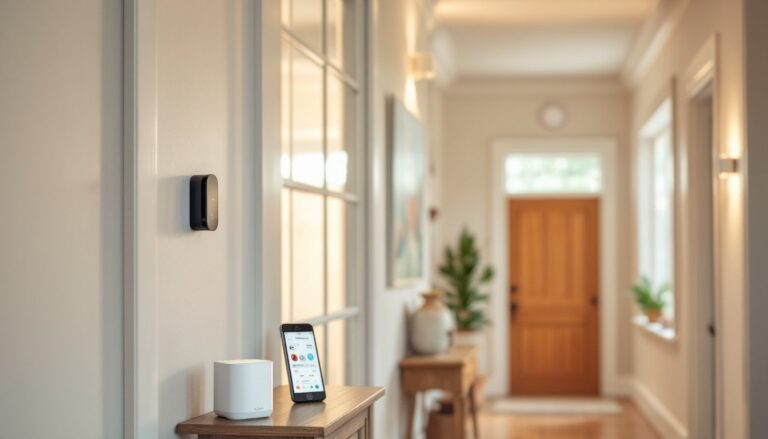
Houston homeowners face unique security challenges, from extreme weather that can leave doors and windows vulnerable to the reality of urban and suburban break-ins. A Houston alarm system isn’t just about sirens and panic buttons: it’s insurance for peace of mind when you’re at work, on vacation, or sleeping soundly at night. This guide walks you through what actually matters when choosing a security system for your Houston home, cutting through the sales pitch to focus on practical features, real installation options, and how to match a system to your actual needs rather than overkill features you’ll never use.
Table of Contents
ToggleKey Takeaways
- A Houston alarm system should match your specific security needs—assess your home’s layout, entry points, lifestyle patterns, and actual vulnerabilities before choosing a system to avoid overspending on unused features.
- Monitored systems provide faster professional response during emergencies but require ongoing monthly fees ($25–$75), while unmonitored systems cost less but depend entirely on you calling 911.
- Wireless sensors are ideal for Houston homes due to easy installation, battery backup for outages, and reliability during storms and humidity, though wired systems perform better in areas with heavy Wi-Fi interference.
- Most homeowners can DIY wireless alarm system installation in a few hours and save $300–$800 in labor, but professional installation guarantees proper sensor placement, optimal coverage, and warranty protection if setup fails.
- Essential features include mobile app control with instant alerts, glass break and pet-immune motion sensors, and backup power plus dual connectivity (broadband and cellular) to maintain monitoring center connection during outages.
- Test your chosen alarm system during the 30-day trial period to ensure it’s reliable and user-friendly in daily practice—the best Houston alarm system is the one you’ll consistently use and trust.
Understanding Your Houston Home Security Needs
Before pricing systems or scheduling installers, honestly assess what you’re protecting and where the vulnerabilities live. Are you in a high-traffic area, a quiet suburb, or a gated community? A corner house with street-facing windows needs different coverage than a townhome with single entry points. Start by walking your perimeter: count exterior doors, note window placement, identify dead zones where cameras can’t see, and flag any spots where landscaping or structures could hide an intruder.
Next, think about your lifestyle. Do you work long hours away from home? Travel frequently? Have elderly parents or young kids who need extra monitoring? Are you home most evenings? These patterns determine whether 24/7 professional monitoring justifies the monthly cost, or if a basic unmonitored system with smartphone alerts fits better. Also consider your budget realistically, upfront installation costs, monthly monitoring fees, and equipment replacements add up over years of ownership.
Jot down what keeps you awake at night. Is it strangers in the yard, package theft, break-ins at the front door, or all of the above? This focus prevents spending money on features that don’t address your actual concerns. A Houston alarm system that matches your genuine needs will actually get used and trusted, not ignored because it’s too complicated or expensive to maintain.
Types of Alarm Systems Available in Houston
Alarm systems fall into two broad camps: monitored and unmonitored. Understanding the difference is crucial because it changes both cost and response time when an alarm triggers.
Monitored vs. Unmonitored Systems
A monitored system connects to a 24/7 professional monitoring center via landline, broadband, or cellular connection. When a sensor trips or a panic button is pressed, the monitoring center is instantly alerted, verifies the emergency, and dispatches police or emergency responders to your home. You pay for this service monthly, typically $25 to $75 depending on the provider and service tier. The tradeoff: faster professional response, but you’re committed to ongoing fees and you depend on their verification process.
An unmonitored system sends alerts only to your phone, a local siren, or both. You’re responsible for calling 911 if needed. This costs less per month (sometimes nothing beyond equipment), but response depends entirely on you, which doesn’t help if you’re asleep, in the shower, or across town. Many Houston homeowners choose unmonitored for vacation homes, rental properties, or supplementary coverage on specific zones, then upgrade to monitored for primary residences.
Some systems offer a hybrid approach: unmonitored day-to-day, but upgradeable to professional monitoring during travel or nights. This flexibility is worth exploring with local Houston providers, many of whom offer customized packages that larger national chains don’t. A basic home alarm system covers essential entry points, while a smart alarm system integrates with your phone and home automation devices for remote control.
Key Features to Look for in a Houston Alarm System
Not all alarm systems are created equal. Beyond the basic siren-and-sensor setup, certain features make a real difference in usability and protection.
Wireless vs. wired sensors matter for installation ease. Wireless door and window sensors are simple to install, peel-and-stick or screw-mount, and don’t require running cables through walls. Wired systems are more reliable in areas with heavy Wi-Fi interference, but they demand wall opening and patching, which most DIYers want to avoid. Houston’s humidity and occasional electrical storms also favor wireless systems with battery backup: you don’t lose coverage if power drops.
Mobile app control and alerts are now standard, not luxury. You should receive instant notifications when doors or windows open, see live camera feeds, and arm/disarm the system remotely. Test the app’s responsiveness before committing, lag or constant connectivity issues are frustrating daily. Reputable systems sync across multiple phones, so spouses or roommates each get their own access.
Glass break and motion sensors add layers of protection. Glass break sensors detect the specific frequency of breaking glass, while motion detectors catch intruders moving through rooms. Motion sensors in Houston work best when aimed away from windows (heat from sunlight triggers false alarms) and positioned to cover hallways and main rooms, not utility closets. If you have pets, get a pet-immune motion sensor to avoid false alarms from your dog or cat.
Backup power and connectivity are non-negotiable. Batteries should last at least 24 hours if your internet or power fails, otherwise, the system’s worthless during outages, which happen in Houston during storms. Systems with both broadband and cellular backup ensure the monitoring center stays connected even if your internet is down. Some companies charge extra for cellular backup: it’s usually worth the $10 to $15 monthly upcharge for reliability.
Installation Options: DIY vs. Professional Setup
Here’s the straightforward truth: most wireless alarm systems are DIY-friendly. Most Houston homeowners can mount sensors, install a keypad, and configure basic settings in a few hours. The real question isn’t whether you can do it yourself, but whether you want to.
DIY installation saves $300 to $800 in labor. You buy the kit, follow the manufacturer’s instructions (which are usually detailed), and add sensors to doors and windows. You’ll need a drill, level, and stud finder, plus basic fasteners, nothing exotic. The catch: if you miss a zone, misalign sensors, or misconfigure the monitoring settings, your system won’t work as intended. Plus, you’re responsible for tech support calls and troubleshooting if something’s wrong. This works fine if you’re patient and detail-oriented: it’s frustrating if you’re not.
Professional installation costs more upfront but ensures proper placement, optimal sensor alignment, and correct programming. Installers also run codes and secure permits if your system requires them (check with your Houston building department, most residential alarms don’t, but some communities have specific requirements). You get a warranty on the installation work itself, and the company takes responsibility if the system fails due to their setup error. For monitored systems, many providers include free or discounted professional installation as part of their service plan.
Many Houston homeowners compromise: buy a wireless system, install it themselves, then hire a technician to verify coverage and optimize sensor placement for $150 to $300. This splits the savings without sacrificing reliability. If you’re upgrading an existing system or retrofitting a security camera into your alarm setup, professional help often saves more time and frustration than it costs.
How to Choose the Right Alarm System for Your Houston Home
Start with your core requirements: monitored or unmonitored? How many entry points to cover? What’s your actual monthly budget, including monitoring fees? Narrow the field to three to five systems that meet these basics.
Next, check user reviews on independent sites like Tom’s Guide, Digital Trends, and CNET. Focus on reviews from people in similar homes or neighborhoods, a review from a Miami condo tells you less than feedback from a Houston suburban family with the same house size. Look for complaints about false alarms, app crashes, and customer service responsiveness. These real-world issues matter more than glossy marketing promises.
Contact local Houston alarm companies directly. National chains like ADT and Vivint have heavy sales pushes, but local providers often offer more flexibility and better customer service. Ask about:
• Equipment costs and what’s included (hub, sensors, keypad, camera)
• Monthly monitoring fees and contract terms (some require 3-year agreements)
• Mobile app functionality and any monthly app fees
• Response time guarantees and what happens if police aren’t dispatched in your timeframe
• Equipment replacement costs after warranty expires (typically 3-5 years)
Request quotes in writing and compare apples-to-apples. A cheaper system that omits cameras or limits sensors to five doors isn’t a bargain if you need ten. For Houston-specific options, explore providers like Smith Thompson Home Security, which understands local weather risks and neighborhood dynamics. You can also review Ring Home Alarm System options or Honeywell Home Alarm packages, both widely available in the area.
Make a final list of your top two choices and use their trial period (most offer 30 days) before finalizing. A system that looks great on paper but feels clunky in daily use will cost you in frustration. Your best choice is the one you’ll actually arm every time you leave the house, that’s your baseline for effective security.
Conclusion
A Houston alarm system isn’t a one-size-fits-all purchase. Your home’s layout, your lifestyle, your budget, and your actual concerns should drive the decision. Whether you opt for professional monitoring or go wireless and unmonitored, whether you install it yourself or hire a technician, the right choice is the one that matches your genuine needs and gets used consistently. Test the system, verify coverage before committing long-term, and don’t hesitate to switch if it’s not working after a month or two. Your peace of mind is worth taking the time to get it right.