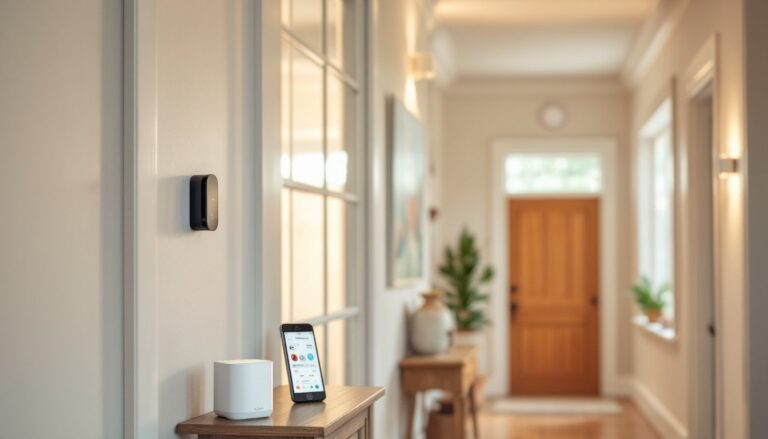
Renting an apartment doesn’t mean you have to compromise on security. While landlords are responsible for locks and basic safety features, a personal alarm system gives you control over your own protection, and peace of mind that goes wherever you move next. Unlike homeowners who can install permanent systems, apartment renters face unique constraints: no drilling into walls, no permanent wiring, and the need for landlord approval. The good news is that 2026 brings plenty of renter-friendly alarm system options that are wireless, affordable, and portable. This guide walks you through choosing and installing an alarm system that fits your apartment, protects your space, and doesn’t damage your security deposit.
Table of Contents
ToggleKey Takeaways
- An apartment renter-friendly alarm system must be wireless and adhesive-based to avoid damaging walls and maintain your security deposit while providing portable protection across future moves.
- Professional monitoring ($10–$30/month) and no-contract plans are essential features to look for in an alarm system, allowing flexibility and cost-effective security without long-term commitments.
- Top options like SimpliSafe, Ring, Wyze, and Abode offer fully wireless setups starting at under $100, with installation taking just minutes using peel-and-stick sensors and a WiFi-connected hub.
- Most landlords welcome renter alarm systems since they reduce liability and theft-related claims, so communicate your installation plans via email to ensure transparency and potentially unlock insurance discounts.
- Clean sensor placement on window and door frames with rubbing alcohol first, wait 24 hours for full adhesion, and document everything with photos and receipts for insurance claims and future troubleshooting.
- Beyond burglary prevention, integrated alarm systems can monitor smoke, carbon monoxide, and temperature changes—critical features for apartment dwellers sharing walls and HVAC systems with neighbors.
Why Apartment Renters Need Their Own Alarm Systems
Most rental leases include basic locks and, increasingly, building-level security like intercoms or cameras in common areas. But that’s not enough. A break-in via a window or sliding door bypasses the front door lock. Landlord-provided systems (if they exist) are often outdated, rarely monitored, and not customized to your unit. Your neighbors’ entry habits, package deliveries, and guest traffic all increase vulnerability without a private alarm system.
Personal alarm systems serve multiple purposes in a rental: they deter break-ins, send alerts to your phone when windows or doors open, and provide evidence for police if something does happen. Renters also benefit from portability, when you move to the next apartment, take your system with you. An alarm system is one of the few security investments that follows you from lease to lease, building equity in your own safety regardless of landlord cooperation.
Beyond burglary prevention, many systems monitor for smoke, carbon monoxide, and temperature changes. For apartment dwellers sharing walls and HVAC systems with neighbors, these features can be lifesaving. Unlike a house owner who might install these separately, an apartment renter can bundle them into one integrated wireless system.
Key Features To Look For In A Renter-Friendly Alarm System
Start by identifying what you actually need to protect. Are you concerned about break-ins, package theft, environmental hazards, or all three? Your answer shapes the system features you should prioritize.
Look for systems with door and window sensors (wireless, adhesive-based), a hub or control panel that runs on WiFi or cellular backup, and a mobile app for arming, disarming, and viewing alerts on the go. Battery backup is essential, if the power goes out or someone cuts your internet, your system shouldn’t go silent.
Professional monitoring is optional but valuable. A 24/7 monitoring center can verify alarms and contact emergency services on your behalf, which typically costs $10–$30 per month. Self-monitoring via app is cheaper or free but requires you to respond to alerts yourself.
Check whether the system requires a long-term contract. Renters should avoid multi-year commitments: month-to-month or no-contract plans give you flexibility if you move or switch systems. Also verify that sensors are removable without damage, adhesive-based window sensors peel off cleanly, while hardwired systems do not.
Finally, confirm the system is renter-compatible with no landlord permission required for installation. Many insurers offer discounts for renter’s insurance if you have an alarm system, so ask whether your policy qualifies.
Wireless vs. Wired Options For Rental Apartments
Wireless systems are the clear winner for renters. Door and window sensors use 802.11 WiFi or Z-Wave/Zigbee protocols to communicate with a central hub, eliminating the need for wiring behind walls or through ceilings. Installation takes minutes: peel and stick sensors on frames, place the hub on a shelf, and download the app. When you move, pop the sensors off and take everything with you, no holes, no damage, no landlord arguments.
Wired systems, by contrast, require drilling into studs, running cables through walls, and often professional installation. They’re more reliable in a multi-unit building with heavy WiFi interference, but they’re permanent and expensive to remove. Avoid them unless you own the property.
Some hybrid systems use wireless sensors with a wired hub, a middle ground that works if you can find a permanent spot for the hub (like a closet or utility closet) but still want to avoid wall penetrations. Most renters won’t need this complexity: pure wireless is cleaner and faster.
Top Alarm System Options For Renters
The market offers several solid options designed specifically for renters. Simplisafe is popular for its no-contract, fully wireless setup and affordable monitoring ($15–$25/month). Sensors stick to frames, the hub plugs into any outlet, and you can install everything in under 30 minutes. If you need professional monitoring later, you can add it without penalties. The Ring Home Alarm combines doorbell cameras with a central alarm hub, offering visual verification when someone tries to enter. It integrates with other smart home devices, though it requires a WiFi connection and a Ring Protect Plan for professional monitoring.
Wyze systems are budget-friendly, entry-level kits start under $100, and work standalone or with professional monitoring ($5–$6/month for basic service). The trade-off is less polished customer service and fewer integration options compared to premium brands. For minimalist renters who just want basic door/window coverage without monthly fees, Wyze works.
Abode offers true no-contract monitoring ($20/month) with flexible pause options if you’re away for extended periods. It’s stronger for tech-savvy renters who want home automation integration: setup is straightforward, but the app has a steeper learning curve than competitors.
Compare systems on three metrics: upfront equipment cost (usually $150–$400 for a starter kit), monthly monitoring fees (optional but recommended), and contract terms. Avoid systems that bury fees in fine print or lock you into three-year contracts. Read recent user reviews, alarm systems live or die by app reliability and customer support response times.
Installation Tips Without Damaging Your Rental
Before you crack open that alarm kit, take three steps: photograph your apartment’s current condition, make a list of all entry points (doors, windows, sliding glass doors, pet doors), and plan your hub placement.
Hub placement matters more than renters realize. The hub needs power (plug into an outlet near your main entry, living room, or bedroom) and WiFi coverage throughout your unit. A central location like a hallway closet or shelf near the front door works best. Test WiFi signal strength using your phone’s WiFi analyzer to avoid dead zones.
For door and window sensors, use the adhesive pads provided, they’re designed to remove cleanly without residue. Clean the frame surface with rubbing alcohol first and let it dry completely: dirty or damp surfaces cause sensors to fall off after weeks or months. Apply the sensor, press firmly for 30 seconds, and wait 24 hours before trusting full adhesion. If you’re worried about permanent adhesive, command strips or removable adhesive putty offer alternatives, though they’re less reliable long-term.
Glass break sensors (acoustic-based, not contact sensors) detect the sound frequency of breaking glass and avoid the frame-contact problem entirely. They’re more expensive but ideal for apartment units with many windows. Install them about 1 meter (3 feet) away from the glass and test them per manufacturer instructions.
For sliding glass doors, adhesive sensors work on the frame, but floor-based door sensors are also available, they sit on the floor threshold and detect movement without adhesive. Test the exact trigger point before securing it permanently.
Document installation with photos showing sensor placement and serial numbers. Keep receipts for all equipment. This record protects you if you ever need to claim a break-in for insurance or police and makes future troubleshooting faster. When you move, remove sensors slowly and cleanly, use a hair dryer on low heat to warm the adhesive and peel gently. Leftover residue wipes off with rubbing alcohol.
Talking To Your Landlord About Security Systems
Here’s the counterintuitive truth: most landlords won’t object to a renter-friendly alarm system as long as it doesn’t damage the unit. An alarm system that deters break-ins and reduces theft actually lowers the landlord’s liability and insurance risk. Frame the conversation around benefit to both parties, not as a request for permission.
Send a brief, professional email or note explaining what you’re installing: “I’m adding a wireless alarm system to my unit for personal security. It uses adhesive sensors on windows and doors (no drilling or wiring) and plugs into a standard outlet. The system is fully removable when I move.” Attach product specifications if requested. Most modern landlords won’t require written approval: they’re satisfied knowing you’re not breaking the lease’s “no alterations” clause.
If your landlord does ask questions, clarify that the system is wireless (no permanent changes), removable (no residue or damage), and covered by your renter’s insurance (their concern about liability is moot). If your apartment is older or the landlord is particularly cautious, offer to show them the product specs or even a demo of how the sensors work and remove cleanly.
Regardless of landlord approval, always inform your renter’s insurance provider that you’ve installed an alarm system. Many insurers offer a 5–10% discount on your premium, and updated coverage details protect you if a break-in occurs. The insurer won’t deny a claim because you installed security: they’ll actually pay out more confidently because you took steps to prevent loss.
Document landlord approval in writing, a quick email confirmation from the landlord preserves peace if future disputes arise about “alterations to the unit.” It’s not legally required in most states, but it’s a good practice.
Conclusion
A renter-friendly alarm system is practical, affordable, and genuinely protective. Wireless systems eliminate the headaches of permanent installation while offering the same security benefits homeowners expect. By choosing a no-contract system, installing sensors cleanly, and communicating clearly with your landlord, you gain peace of mind without jeopardizing your security deposit. Your apartment security shouldn’t depend on your landlord’s timeline, take control with a system that moves when you do. For additional renter-focused security options, explore easy home alarm solutions and smart alarm system technology designed to balance protection with rental flexibility.