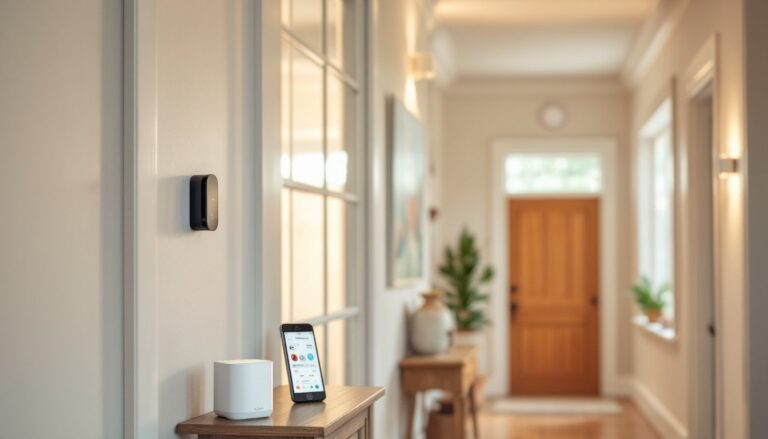
A solid GE alarm system sits at the heart of modern home security. Whether you’re protecting against break-ins, fires, or carbon monoxide threats, GE systems deliver both reliability and ease of use. Unlike flashy smart home gadgets that lose appeal after a month, a good alarm system keeps working quietly in the background, until you actually need it. This guide walks you through how GE alarm systems work, what features matter most, and how to pick the right one for your home without overpaying for extras you don’t need.
Table of Contents
ToggleKey Takeaways
- A GE alarm system combines sensors, a control panel, and professional monitoring services to detect break-ins, fires, and threats while sending alerts to authorities and your smartphone instantly.
- Hardwired systems offer rock-solid reliability with no battery maintenance, while wireless GE alarm systems provide faster DIY installation and flexibility for renters, each with distinct tradeoffs to match your home type.
- GE systems can lower your homeowner’s insurance by 10–15% through monitored protection, making the $30–$50/month monitoring fee potentially pay for itself within a year.
- Proper sensor placement—entry sensors on all doors and windows, motion detectors in living areas, and smoke/CO detectors centrally—combined with thorough system testing prevents false alarms and ensures real-world reliability.
- Professional installation ($300–$800) is worth the cost if you lack electrical confidence or don’t want to drill holes, whereas DIY wireless setups can be completed in an afternoon using the mobile app.
What Is a GE Alarm System and How Does It Work?
A GE alarm system is a network of sensors, a control panel, and monitoring services designed to alert you and authorities if trouble strikes. When a sensor detects motion, a break-in, or smoke, it triggers the control panel, which sounds an alarm and sends a signal to GE’s monitoring center (if you pay for that service). GE systems combine hardwired connections and wireless sensors depending on your setup.
The core components include entry sensors on doors and windows, motion detectors in main living areas, and a keypad or touchscreen control panel. Modern systems integrate with your smartphone, so you get instant notifications whether you’re at work or on vacation. The system sits in one of three states: armed (protection active), disarmed (all sensors inactive), or in home-stay mode (perimeter protection only, so you can move around inside). Most GE systems require a modest monthly fee for 24/7 professional monitoring, though some users skip this and rely on local alarm sirens alone.
Key Features and Benefits of GE Alarm Systems
GE alarm systems pack a solid feature set that keeps pace with competitor offerings. Mobile app control lets you arm, disarm, and check sensor status from anywhere. Smart home integration pairs with devices like smart locks and lights, so the system can unlock doors or turn on lights when you disarm it.
Battery backup on the control panel means the system keeps running during power outages, a feature often overlooked until the grid goes down. Customizable alert zones let you activate specific sensors without arming the entire house: helpful if you’re using one wing of a larger home. Backup cellular communication ensures the system reaches the monitoring center even if your internet drops, which is critical for actual emergencies.
Real benefits include peace of mind (constant monitoring means less checking at night), lower home insurance premiums (many insurers knock 10–15% off for monitored systems), and fast emergency response. Unlike relying on neighbors to call police, a monitored alarm summons help immediately. Systems also log every arm/disarm event and sensor trigger, so you’ve got a clear record if anything happens.
Types of GE Alarm Systems Available
GE offers systems across a range of sizes and complexity. Their basic wired systems suit older homes where you don’t mind running cable through walls during installation. Wireless systems use battery-powered sensors that communicate with a hub, making them ideal for renters or homes where running cable isn’t practical. Hybrid systems blend both, wired sensors where infrastructure exists, wireless where it doesn’t.
Entry-level systems cover a single-family home with 2–4 entry points and basic motion detection. Mid-range offerings add more sensors, smartphone control, and superior integration with smart home platforms. Premium systems include video camera integration, advanced automation rules, and expanded zone coverage for larger properties.
Hardwired vs. Wireless Systems
Hardwired systems run sensor wiring through walls, conduit, or crawl spaces to a central control panel. Setup is more involved, you’ll drill holes, fish cable, and possibly patch drywall, but the result is rock-solid reliability with no battery maintenance. Hardwired sensors never lose connection and don’t need periodic battery swaps. The downside: installation takes time and creates visible or hidden wire runs. If you own the home and plan to stay long-term, hardwired is the professional choice. A Next Generation Security System often uses this approach for maximum dependability.
Wireless systems use battery-powered sensors that communicate via radio frequency or Wi-Fi. Installation is faster, place sensors on doors and windows using adhesive or small brackets, then add them to the hub through a setup app. No cutting, drilling, or wall patching required. The trade-off: batteries need replacing every 2–5 years depending on sensor type and manufacturer specs. Wireless sensors can also experience dead zones if your home has thick concrete walls or extensive metal framing. For apartments, rentals, or if you want to install everything in an afternoon, wireless is faster and less invasive. Compare this flexibility against Honeywell Home Alarm System options to see what works best for your situation.
Installation Basics for DIY Homeowners
GE systems designed for DIY installation walk you through the process with a setup app and clear instructions. Start by planning your sensor placement: put entry sensors on all exterior doors and accessible windows, motion detectors in living rooms and hallways (avoid pointing them at heating vents or pets that might trigger false alarms), and smoke/CO detectors centrally.
For wireless systems, remove adhesive backing from sensors, clean the surface with rubbing alcohol (so they stick properly), and press them firmly for 30 seconds. Add each sensor to the hub using the mobile app by scanning a QR code or entering a PIN. Verify signal strength in the app, anything above 3 out of 5 bars is solid: if a sensor shows weak signal, relocate it or add a wireless extender.
For hardwired systems, you’ll need basic electrical know-how. Run 18/2 alarm cable (or whatever gauge GE specifies) from the control panel to each sensor, following building code practices. Use staples every 16 inches, keep cable away from electrical wiring and sharp edges, and avoid running it through areas prone to moisture. At each sensor, strip about 1/2 inch of insulation from each conductor and connect per the wiring diagram, typically two terminals labeled + and −. Test each sensor after wiring to confirm detection before closing walls.
Regardless of type, perform a full system test before considering yourself done. Trigger each sensor, verify it shows on the panel, walk the perimeter with motion detectors armed to check coverage, and confirm the app sends notifications when you disarm remotely. Many DIY failures stem from skipping this step, don’t be that person. If you’re uncomfortable with electrical work or don’t want to drill holes in your walls, hiring a professional installer costs $300–$800 but saves you time and eliminates headaches. Knowing your limits beats struggling through a half-baked installation that fails when you need it.
Choosing the Right GE Alarm System for Your Home
Start by assessing your actual needs, not wish-list features. Count exterior doors and windows, note your home’s construction (wood-frame vs. concrete/stone), and decide if you want professional monitoring or plan to handle false alarms yourself.
Home size and layout matter: a 2,000-square-foot single-story home with clear lines of sight needs fewer motion sensors than a 3-story townhouse with lots of walls and corners. Budget constraints are real, entry wireless systems run $300–$500 plus monitoring fees: hardwired systems with professional installation run $800–$1,500 upfront. Monitoring preference tips the scales: professional 24/7 monitoring adds $30–$50/month but guarantees emergency response even if you’re asleep or traveling.
Review Best Home Security Alarm ratings and user feedback to compare GE against alternatives. Weigh GE’s strengths (strong app, good integration, reliable sensors) against competitors. Check if your homeowner’s insurance offers discounts for monitored systems, sometimes the discount pays for monitoring within a year. Also verify that GE offers coverage in your area: some regions have limited or no professional monitoring availability. Read user reviews focusing on installation difficulty and real-world sensor reliability, not just feature lists. A comprehensive guide from Tom’s Guide benchmarks systems across multiple categories and will help narrow your choices. Finally, look at the 30-day trial period most installers offer, use it to spot issues before you’re locked into a contract.
Conclusion
GE alarm systems deliver dependable protection for most homes without requiring you to become a security expert. Whether you pick a wireless system for ease or a hardwired one for bulletproof reliability, the core promise stays the same: constant vigilance when you’re not around. Take time to measure your actual needs, test the system thoroughly after setup, and commit to regular battery checks if you go wireless. A working alarm system is insurance you can count on, far better to have it and never need it than the other way around.